
Yoga for every day, real people.

At Yoga with Brittany, I keep things real. My approach offers simple movement, mindful breath work, an emphasis on safety and choice, and a space where we can ALL show up as we are.
Whether you're brand new to yoga, healing from lifes heaviness, or just craving a little more balance, I offer classes and private sessions designed for real, practical people - NO PERFECTION REQUIRED.
I currently offer in person group classes, private sessions, private events or special occasions which can be tailored to your style and vision. Virtual private sessions available by request.
Schedule
Monday
Mar. 02
7 PM (EST)
1 hr

Nervous System Reset @ Serenity Wellness Collective
Serenity Wellness Collective
Tuesday
Mar. 03
10:45 PM
1 hr

CanceledNervous System Reset @Sanctuary Salon Easton
Wednesday
Mar. 04
No events scheduled
Thursday
Mar. 05
6:30 PM (EST)
1 hr
Nervous System Reset @ Serenity Wellness Collective
Serenity Wellness Collective

Healing is possible - one breath at a time.
Dive into my blog to further explore a wide range of topics, including how yoga, trauma informed yoga and holistic healing can transform your life. Follow the link below and take the next steps to feeling whole again.
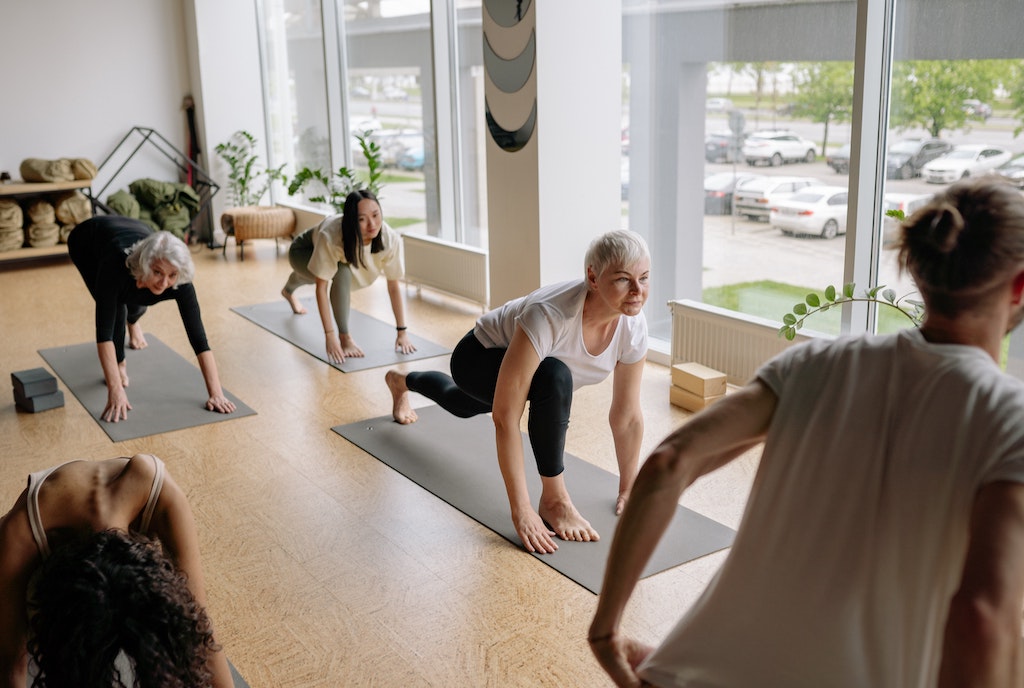
Traditional group style classes offered in a variety of experience levels.

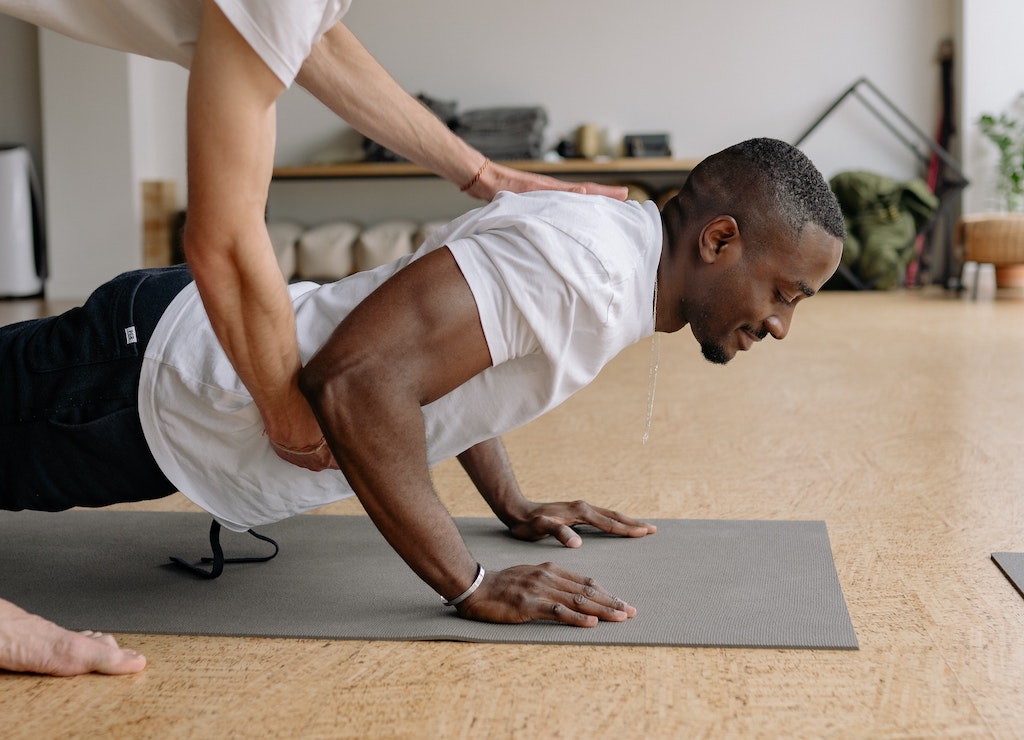
Together we'll gently explore pathways to healing through yoga, grounding techniques, and holistic tools that support your nervous system and well being.
Hi, I'm Brittany...
Yoga with Brittany is built on the belief that healing isn’t about fixing what’s broken - it’s about remembering our wholeness, one breath and one mindful movement at a time. My intention is to hold space for you to reconnect with yourself in a safe, supportive, and nonjudgmental environment.
Whether you’re just beginning your yoga journey or deepening your practice, my classes offer a space to slow down, listen inward, and move in a way that feels nourishing and empowering. Together, we explore yoga not as performance, but as a practice of presence, softness, and self-discovery.
My teaching is rooted in over a decade of personal practice and training in trauma-informed and anxiety-informed yoga. I’m a 200-hour Yoga Alliance certified teacher in both Hatha and Vinyasa, with additional training through the Prison Yoga Project’s Yoga Through the Lens of Trauma & Incarceration program. I’m also currently expanding my work through Reiki and Yoga Therapy certifications to bring more holistic tools into our shared practice.
Each class is guided by compassion, choice, and real-life applicability - because yoga doesn’t have to be fancy, flexible, or complicated to be deeply effective. Whether we’re moving, breathing, or simply being still, my hope is that you leave class feeling more connected, grounded, and at home within yourself.
Frequently asked questions
What is the difference between yoga and trauma informed yoga?
Traditional yoga focuses on movement, breath, and mindfulness to support physical and mental well-being. Classes may be more structured, include hands-on adjustments, or assume students are comfortable with certain poses or silence.
Trauma-informed yoga takes a different approach. It’s designed to support people who have experienced trauma, chronic stress, or anxiety by creating a safe, inclusive environment. Key differences include:
• Choice-based language (you’re always invited, never instructed)
• No physical touch or adjustments
• Focus on grounding and body awareness
• Attention to emotional safety and potential triggers
• Slower pacing and accessible movement
The aim is to help students reconnect with their bodies, feel empowered in their choices, and build resilience—all at their own pace.
How is yoga healing?
Yoga is healing because it treats the whole person—body, mind, and nervous system. It gently guides us back into connection with ourselves, which is often disrupted by stress, trauma, or daily overwhelm.
Here’s how yoga supports healing on multiple levels:
• Physical healing: Yoga helps release tension, increase circulation, and support the body’s natural ability to restore balance. It’s especially helpful for managing chronic pain, fatigue, and stress-related conditions.
• Emotional healing: Through mindful movement and breath, yoga creates space to process emotions in a safe, supported way. It can reduce anxiety, lift mood, and cultivate self-compassion.
• Nervous system regulation: Many yoga practices activate the parasympathetic nervous system—helping us move out of “fight or flight” and into rest, recovery, and resilience.
• Inner awareness and empowerment: Yoga helps us tune into what’s happening inside with curiosity rather than judgment. This deep listening is the beginning of self-trust and personal healing.
Yoga doesn’t require you to be flexible or “good at it.” You just need a willingness to show up, breathe, and be present with yourself—exactly as you are.
What is Yoga Therapy and how is it different than traditional yoga?
Yoga therapy is a personalized, therapeutic approach that uses yoga tools - movement, breath, mindfulness, and rest - to support individuals experiencing specific physical or mental health conditions. Rather than following a general class format, yoga therapy works with the whole person while also addressing particular areas of discomfort, imbalance, or suffering.
Traditional yoga classes are often designed for a group and focus on general strength, flexibility, or flow. Yoga therapy, on the other hand, adapts the practice to the individual, using yoga as a supportive modality to ease symptoms, improve function, and foster long-term well-being - both mentally and physically.
If you’re looking for a practice that goes beyond general movement and is tailored to your body’s needs, yoga therapy offers a more targeted, supportive path.
How long will healing take with yoga?
Since healing is not a one size fits all, this can vary depending on many factors. However TIY is meant to guide you gently and support you on your own unique healing journey, whatever time frame you need.
For more specific questions regarding yoga for trauma and if it may be right for you, email brittanyoga.prana@yahoo.com


 OfferingTree